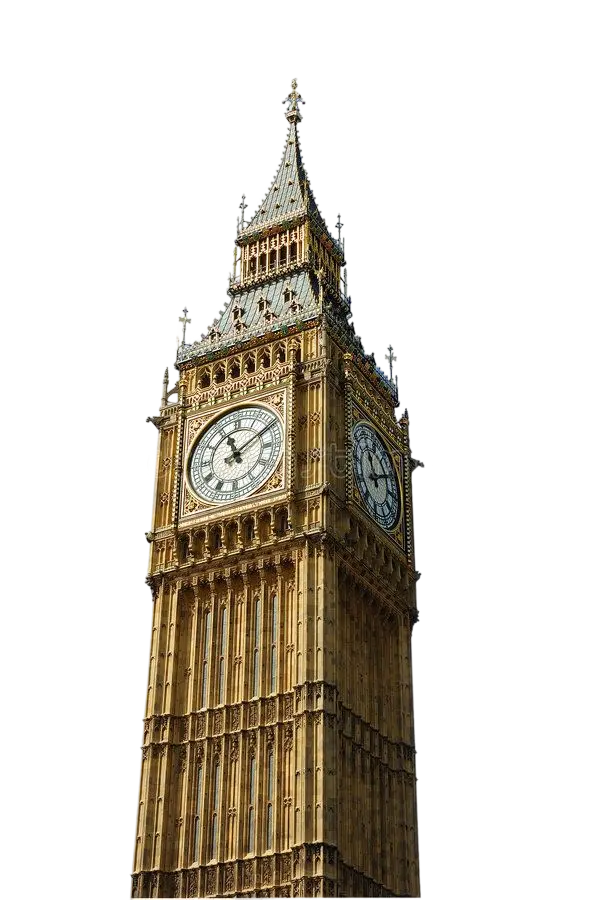
In 2026, the UK government
is set to spend £114 billion on
debt interest payments alone.
£312+ million a day.
£13+ million an hour.
£216,000+ a minute.
£3,600+ a second.
None of the £114 billion
goes to reducing the UK’s
£2.9 trillion total debt.
It is simply the cost
of servicing that debt.
UK NATIONAL DEBT 1990-2026
In 2026 they’ll spend:
Interest payments
produce absolutely
nothing.
They are the costs of consumption that has already happened. Costs over which the people burdened by them never had a say.

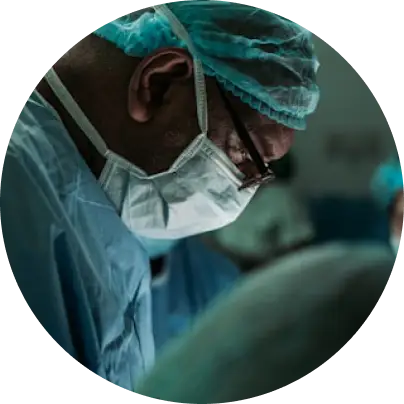

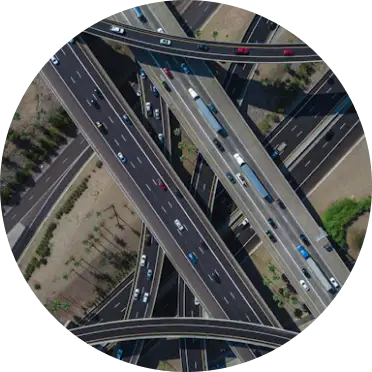





That’s £3400 per taxpayer every year that could be spent making the lives of every single citizen better.
Doctors
Schools
Housing
Social Care
Hospitals
Roads
Police
After the 2008 financial crisis, artificially low interest rates set by the Bank of England made borrowing cheap.
So, the government borrowed. A lot.
But the cost wasn’t paid by those who made the decisions. It’s being paid by the rest of us.
Today and tomorrow.
Someone born in the 1990s entered the workforce in roughly 2008–2012, just as this debt explosion was beginning. Someone born in 2008, is now 18 and inheriting the following wave of skyrocketing debt issued in 2020.
The entire working life of these generations will be spent in a fiscal environment shaped by crippling debt: haunted by spending that happened before they were even conscious, and paying the price of choices they never made.
But this is about
more than spending.It’s about the system
that made it possible.
In 1984, the economist Friedrich Hayek said: "I don't believe we shall ever have good money again before we take the thing out of the hands of government. Because we can't take it violently out of the hands of government, all we can do is, by some sly or roundabout way, introduce something that they can't stop."
He warned of a future where money
would be shaped by policy.
And the consequences deferred.
There’s no reforming the system we’re in.